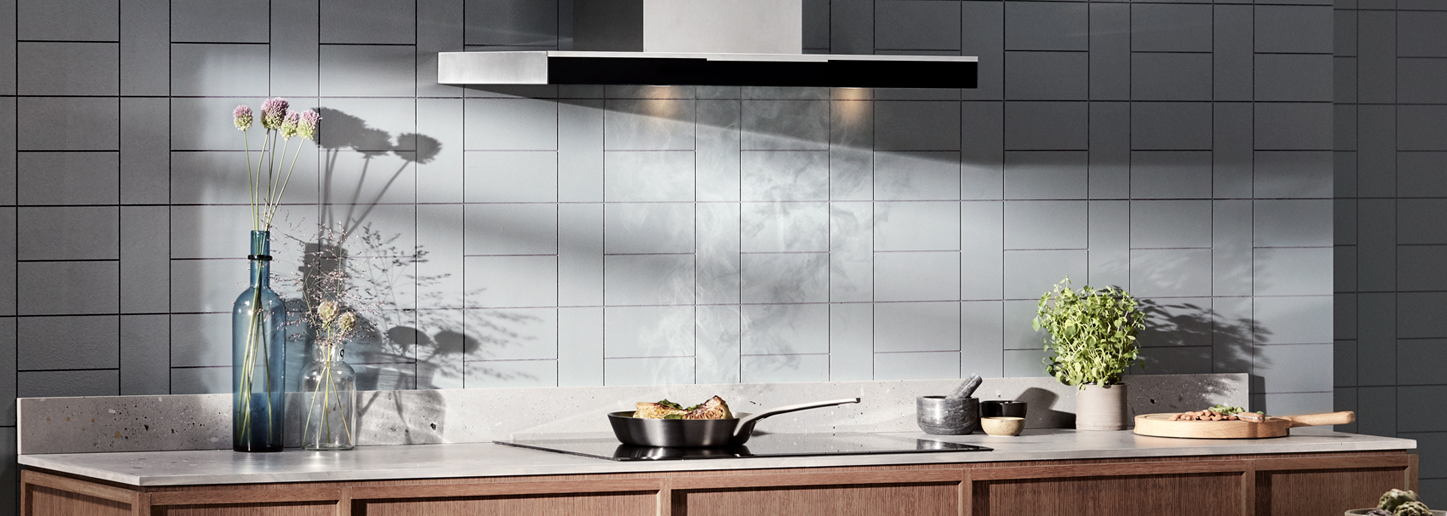
How Often Should You Clean Your Rangehood Filter
Reading Time: 5m 37s
A clean rangehood filter is vital for maintaining kitchen hygiene, air quality, and the longevity of your rangehood appliance. Rangehood filters trap grease, smoke, and cooking odours, helping keep your kitchen fresh and safe.
Regular cleaning is essential for efficient rangehood performance. According to independent testing by CHOICE1, clogged filters can lead to a sharp drop in extraction power—meaning smoke, steam, and odours are not effectively removed from your kitchen.
In addition, built-up grease on filters is not just unhygienic; it is identified as a major fire hazard in Australian homes and can cause persistent lingering kitchen odours if not cleaned promptly
What does a rangehood filter do?
A rangehood filter is designed to trap airborne grease, smoke, and odour particles generated during cooking. There are two main types:
• Mesh and baffle filters (usually stainless steel or aluminium): Washable and act as the first line of defense against grease and particles.
• Carbon filters: Used mainly in ductless rangehoods to absorb odours; these are non-washable and must be replaced regularly.
A properly working rangehood filter is essential for effective kitchen ventilation, especially in Australian households where frequent cooking—especially with high-heat oils and spices—can quickly clog filters.
The Universal Activated Carbon Rangehood Filter is designed to capture odour, oils and grease released during cooking and prevent them from being directed back into the kitchen.
Signs your rangehood filter needs cleaning
Watch for these telltale signs your filter is overdue:
• Reduced suction or weaker extraction: If your rangehood seems less powerful than usual or struggles to pull cooking vapours and steam away, a clogged filter is likely blocking the airflow and reducing performance.
• Persistent or worsening kitchen odours: When grease and debris accumulate, filters can no longer trap and vent odours efficiently, leaving stale, unpleasant cooking smells lingering long after meals.
• Visible grease buildup or yellowing: Noticeable layers of grease, oil stains, or yellow discolouration on your filter indicate it is saturated and can no longer trap airborne particles effectively.
• Increased smoke/fumes in your kitchen: If smoke or fumes become more noticeable while you cook, it means the rangehood filter is too clogged to handle normal kitchen by-products, signalling it is time for a thorough cleaning or replacement.
A study
2 published in the journal Environmental Health Perspectives found that only 17% of households cleaned their grease screens every 1–2 months and 36% cleaned them at intervals longer than six months. The survey also noted that infrequent cleaning leads to reduced extraction performance and increased buildup of kitchen odours and contaminants, highlighting the importance of regular rangehood filter maintenance.
Recommended cleaning frequency for different filter types
Regular cleaning keeps your kitchen safe and fresh. Here is how to tackle it:
• Mesh & baffle filters: Every 1–3 months. For frequent cooks (5+ meals/week), monthly cleaning is best.
• Charcoal filters: Replace every 6–12 months, as these are not designed to be washed.
• Variables: Frying foods, spicy or oily dishes, and a larger household can require more frequent attention.
Kitchens remain one of the primary sources of structural fires in Australia
3, with fire and rescue services reporting that a significant proportion of these fires start in or spread through poorly maintained kitchen exhaust systems due to accumulated grease and flammable debris—highlighting the critical importance of regular filter and exhaust cleaning to reduce fire risk and ensure kitchen safety.
How to clean your rangehood filter properly
1. Remove the filter as instructed in your appliance manual.
2. Soak in hot, soapy water with a strong dish detergent or degreaser for 10–15 minutes.
3. Scrub gently with a soft brush to remove stubborn grease.
4. Dishwasher safe? Place it in the top rack if your filter’s manufacturer allows.
5. Dry thoroughly before reinstalling.
6. Replace rather than clean if you notice warping, holes, or persistent odours (especially with charcoal filters).
Benefits of regular filter maintenance
• Improves air quality and faster odour removal
• Enhanced rangehood performance and energy savings
• Reduced risk of dangerous grease fires
• Extended appliance lifespan and reduced need for repairs
What happens if you do not clean your rangehood filter?
• Poor ventilation and lingering smells
• Excessive grease around the kitchen
• Motor damage and increased appliance noise
• Heightened fire and health risks
Regularly cleaning your rangehood filter is simple but essential. Set a reminder every 1–3 months to wash mesh or baffle filters and plan to replace carbon filters biannually. This routine keeps your kitchen clean, your rangehood efficient, and your home safe.
References
2. Liu Sun, Brett C Singer (2023) Cooking methods and kitchen ventilation availability, usage, perceived performance and potential in Canadian homes
3. The Australian Institute of Refrigeration, Air Conditioning and Heating (AIRAH). Commercial Kitchen Exhaust Management: Best Practice Guide. 2022. ISBN 978-0-949436-56-6.

 Book a Service and Repair