Fridge


7 Fridge Repairs You Can Do Yourself


Reading Time: 6m 14s

The fridge is a cornerstone of modern Australian homes, safeguarding fresh food, keeping drinks cool during sweltering summers, and supporting busy family routines. In fact, over 99% of Australian households1 own at least one refrigerator, placing it among the most essential appliances nationwide.

With daily use, wear and tear is inevitable— the good news is that many common fridge issues can be tackled at home with basic tools and the right parts.

While some repairs should always be performed by a licensed technician, handy DIY fixes let you save time and money. Safety is paramount, so always unplug your fridge before attempting any repair, and consult your manufacturer’s warranty before going further.


Safety first: when not to DIY 

Before diving into repairs, understand what must be left to professionals: 

• Refrigerant gas leaks and sealed system repairs (compressor, evaporator, condenser) involve hazardous chemicals and high pressure, requiring specialist handling and licensing by Australian regulation. 

• Electrical wiring and control boards pose a risk of electric shock or fire if improperly handled. 

• If your appliance is under warranty, attempting DIY repairs may void manufacturer cover—always check your warranty policy first. 

The Australian Refrigeration Council advises2 all sealed system and electrical repairs be performed by licensed technicians for safety and insurance compliance. 


Common fridge repairs you can do yourself 

Many simple fridge problems can be fixed at home with basic tools and parts; here are some common repairs you can do yourself: 

Replacing a fridge water filter 
• Indicators for change: Bad taste, unusual odours, or reduced water/ice flow. 

• Swapping a water filter is quick and straightforward: twist or press to remove the old unit and install a compatible or genuine replacement. 

• Fridge manufacturers recommend changing water filters every 6 months for optimal water quality3. 

• Find the right model in our water filter parts category. 

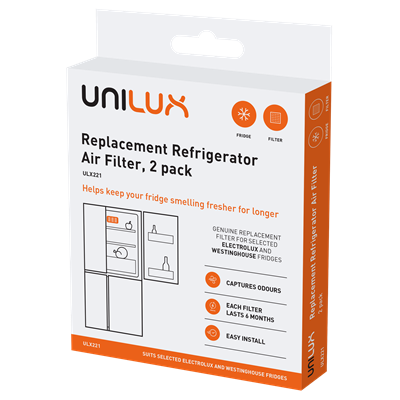
Replacement Refrigerator Air Filter, 2 Pack for selected Electrolux and Westinghouse fridges.

Fixing a broken fridge shelf or drawer 

• Shelves, crisper bins, and door pockets often crack from weight or accidental impacts. 

• Most can be lifted out and swapped for a new part in minutes. 

• Genuine accessories ensure perfect fit and durability, reducing the risk of future breakage.
 

Replacing a fridge light bulb 

• Dull or dead fridge lighting? Identify bulb type (LED or incandescent). 

• Simply unplug fridge, unscrew old bulb, and insert new (matching voltage and size). 

• Australian appliance shops stock a wide selection of bulbs for all major brands. 

Cleaning or replacing door seals (gaskets) 

• Symptoms: Fridge feels warm, excess condensation, or door will not close properly. 

• For minor grime, wipe with warm soapy water and dry thoroughly. 

• If cracked, warped, or missing sections, remove and replace with a matching seal. 

• A faulty door seal can increase your power bill by up to 20% by forcing the fridge to run longer.  

Unclogging a blocked defrost drain 

• Pooling water under crisper drawers signals a blocked drain.
 
• Use a turkey baster or small funnel to flush drain with warm water, clearing out debris. 

• Clean drain holes regularly to prevent build-up.
 

Replacing a faulty thermostat knob or temperature control dial 

• Knobs may crack or fall off with use; replacements are available for most models. 

• Pop off the old knob and press or screw on the new one—ensure compatibility.
 

Fixing loose or worn handles 

• Wobbly handles are usually secured with screws inside the door. 

• Tighten existing screws or replace them with a compatible handle kit. 

• Secure handles improve safety and usability, reducing the risk of accidental door detachment. 

Tools & accessories that help with DIY repairs 

Having the right tools simplifies home repairs. Your basic fridge fix toolkit should include: 

• Phillips and flathead screwdrivers 

• Pliers and a spirit level 

• Cleaning brushes and drain unblockers 

• Replacement water filter bulbs, door seals, and handles 

Before starting your DIY repairs, make sure to have your product manual handy; you can find them on the product manual pages of Westinghouse and Electrolux 

When to call a professional help instead 

Do-it-yourself fixes can save you hundreds, but some fridge problems demand expert intervention: 

• Motor and compressor failures—these make up less than 10% of fridge4 issues but require full system knowledge and certified service. 

• Refrigerant leaks or pressure problems. 

• Electrical faults, control board failures. 

• Persistent breakdowns or worsening energy efficiency after DIY repairs
 

Australians who repair rather than replace can save between $500 and $5,000 or more, depending on their fridge size and brand, by extending the life of their appliance. 


Frequently Asked Questions 

Can I repair the fridge myself? 
Yes, you can fix minor issues like shelves, seals, lights, and water filters if you follow safety guidelines and use compatible parts. 

Is it worth replacing fridge parts or buying a new fridge? 
Repair makes sense for fridges younger than 8–10 years or with minor faults. For older models or major problems (motor, sealed systems), replacement may be more economical. 

Where can I buy genuine fridge spare parts in Australia? 
Certified suppliers, appliance retailers, and brand-authorised stores all carry genuine and compatible fridge parts. Unilux’s online store offers fast delivery Australia-wide and expert support. 

How often should I replace a fridge water filter? 
Every 6 months, or sooner if your water tastes/smells odd or the flow slows down. 

Can I use compatible fridge parts instead of genuine? 
Yes—provided they meet Australian standards and are bought from reputable sources.  


Conclusion 

Determining which fridge repairs you can confidently tackle yourself and when to consult a certified service repair professional is crucial for ensuring safety, appliance longevity, and optimal performance.  
 
While DIY fixes can save money and reduce environmental impact, complex issues like motor or compressor failures require expert attention. If your fridge problem is beyond basic repairs, do not hesitate to book a service with a qualified technician to protect your investment and avoid further damage. 

References 

1. Australian Broadcasting Corporation (ABC). Carbon Cops: Appliances. ABC TV. Available at: https://www.abc.net.au/tv/carboncops/factsheets/cc_appliances.pdf 

2. Australian Refrigeration Council (ARC). Legislation & regulation. ARCtick. Available at: https://www.arctick.org/information/legislation-regulation/ 

3. Electrolux. Refrigerators - How often should I change my water filter? Electrolux Support. Available at: https://owner.electrolux.com/support-articles/article/1847717-refrigerators-how-often-should-i-change-my-water-filter- 

4. Engel, Pru. Should you repair or replace your fridge? CHOICE (Australian Consumers' Association), 7 August 2025. Available at: https://www.choice.com.au/home-and-living/kitchen/fridges/articles/should-you-repair-or-replace-your-fridge